
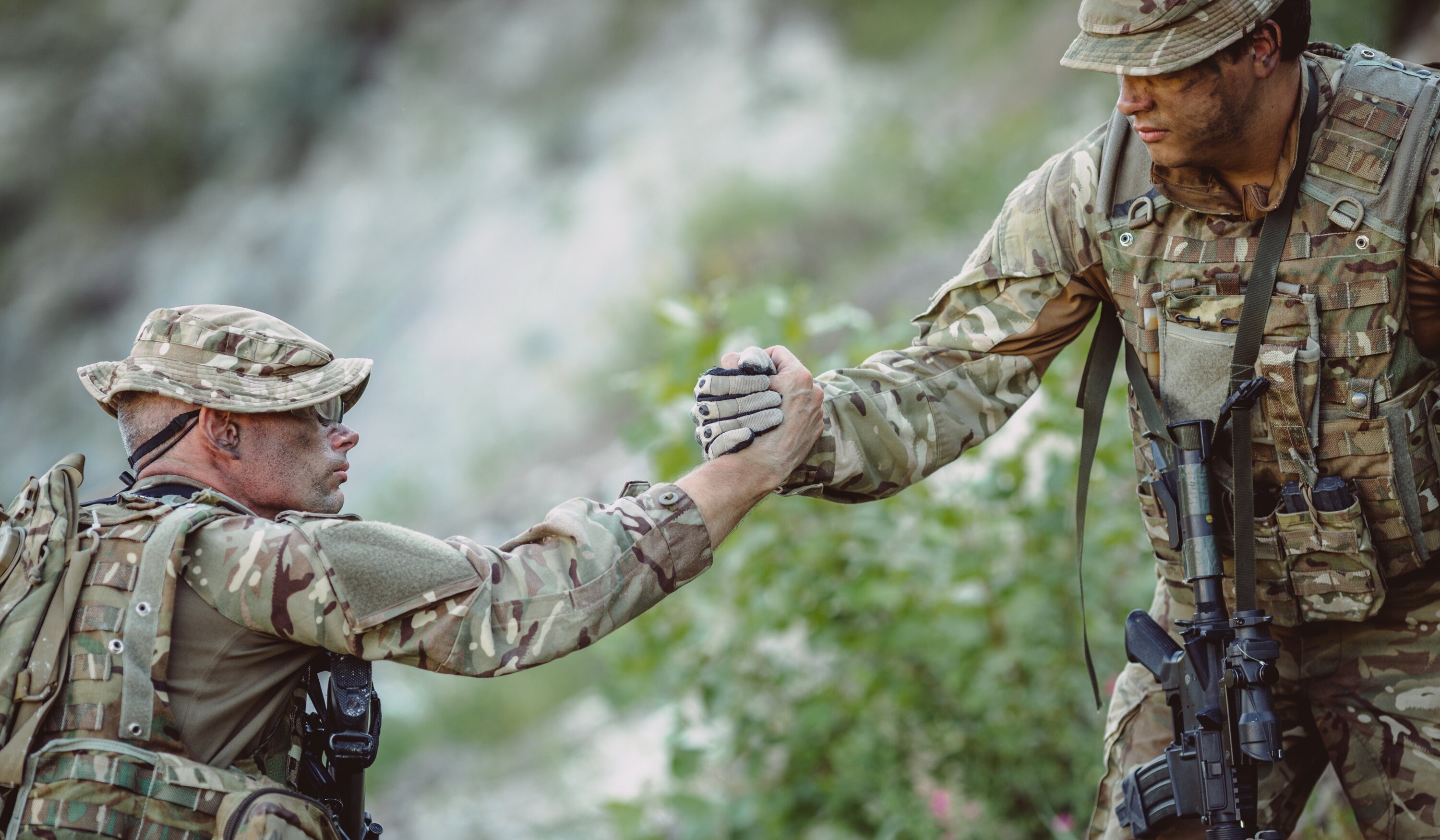
The greatest threat to this force is not an enemy combatant, it is the word “Mental Health” and everything our culture has attached to it. After serving over 25-years in the United States Army Special Forces, I have seen the toll that years of continuous war and contingency operations took on the Green Beret community. I have buried teammates, attended memorial and funerals for our fallen heroes, and I have sat across the table from men who survived every firefight in combat only to lose the invisible war in their own heads when they get back home. After decades in the Special Forces Regiment, I know the greatest threat is a culture that has viewed psychological readiness as a stigma and treated it as a weakness while we perfected everything else.
Green Berets are the most lethal, adaptive, technically and tactical proficient force this nation has ever fielded. We will spend days rehearsing for direct action missions until the muscle memory is flawless. We will conduct repeated pre-combat checks and pre-combat inspections on our weapons and equipment until every system is mission capable. Then we will send a warrior into sustained combat and contingency operations over cumulative deployments, chronic sleep disruption, and hypervigilance resulting in post-traumatic stress disorder, moral injury, loss and only reactively auditing the system that runs all the others. As leaders we must shift the sigma from helpless to readiness and make our focus proactive instead of reactive.
The Language we use shapes perspectives
Words shape understanding and perspectives in the Special Forces community. Terms like "Mental Health" are associated with the stigma of weakness, being broken, not functioning, and needing to take a break. They imply the Soldier cannot handle the job. This is why so many people do not seek support. They self-medicate, they wear masks for the public while they struggle personally and they white-knuckle through it. They withdraw and disappear quietly, either from their friends and family or from life. We recognize there is a problem and have accepted a cultural norm of discussing awareness or pulling Soldiers from their operational element when they implode to immerse them in treatment that may be too late for sustainment, further distancing them from their purpose of natural support network.
We need to change how we frame mental health from a weakness to required Performance Maintenance. Every elite athlete, every fighter pilot, every Green Beret with their weapons and equipment operate within Performance Maintenance architecture. They monitor their systems, identify degradation early, and conduct regular maintenance to restore function before mission failure. That is not weakness or a stigma, which is professional discipline and maintaining operational readiness. A Green Beret who treats his psychological systems with the same rigor he brings to his weapons systems is not "getting help." He is staying mission capable. That is the standard and the language we need to use.
What Leaders Prioritize - Soldiers Will Conduct
I have witnessed Teams with leaders who treated psychological readiness as an administrative requirement. They check the box, brief the slides, then move on. Those teams had higher rates of alcohol abuse, relationship failure, and attrition. The performance degraded slowly, quietly, and then catastrophically. Most of the Soldiers who got out of the military had issues that continued to compound and grow because they never standardized maintaining their psychological system.
I have also watched teams led by men who made psychological readiness a tactical priority. Sergeants Major and company commanders normalized performance check-ins the same way they normalized a combat lethality culture. Leaders who set the standard in psychological maintenance and created the conditions where a Green Beret could say, "I'm not at full capacity," and the response from his Team Sergeant was not suspicion but assessment and a plan. Those teams retained their best people. They made better decisions in austere environments. They came home more intact. They had Soldiers who exited the military with the tools and a plan to maintain their psychological systems in the civilian world.
The data is not ambiguous: psychologically ready teams outperform degraded ones in every metric that matters. From decision-making under pressure, team cohesion, mission completion, and survivability. A leader who does not prioritize psychological readiness is not being hard. He is grossly negligent and will cause unnecessary harm to his Soldiers.
The Standard We Set Becomes the Culture
Every young Green Beret watches how leaders respond when a teammate shows early signs of performance degradation. Every Team Sergeant's reaction becomes policy, every Company Commander's priority becomes doctrine, and how we normalize psychological readiness becomes the standard. If we treat psychological maintenance as a perfunctory requirement, we exacerbate the stigma. If we respond with tactical seriousness like we would for any other tactical Performance Maintenance by identifying the issue, developing a plan, and restoring full mission capability, we create a culture where warriors maintain themselves the way they maintain everything else essential to the mission. This is not a social program. This is a combat multiplier.
In conclusion
30-years, multiple combat deployments and contingency operation, and more memorial ceremonies for Soldiers who took their own lives because they either never sought help or sought help to late because of the mental health stigma of weakness. The Soldiers we lost to suicide did not lack courage; they lacked a culture that treated their psychological systems as mission critical. That is a leadership failure, and it is correctable.
Special Forces leaders who prioritize psychological readiness do not produce weak Soldiers or teams. They produce teams that thrive and endure through more rotations, more contact, more years of sustained service. They produce warriors who remain lethal longer, advise more effectively, and come home capable of maintaining their psychological systems that allows them better life-work harmony. It makes them a better operator, teammate, father, husband, and citizen. We have to lose the concept that seeking mental health support is a stigma and reinforce psychological Performance Maintenance is the standard. We need to empower our leaders to execute and lead accordingly to remain fully mission capable. This is not a request, it is a standard and we must execute to remain combat effective.
- By Command Sergeant Major, United States Army Special Forces | 30 Years of Service